Introduction
Gas transmission services represent a critical component of the energy infrastructure, facilitating the safe and efficient transport of natural gas from production sites to end-users. In an industry characterised by regulatory complexities, market volatility, and evolving customer demands, the effective management of commercial and operational aspects is paramount. Advanced technology solutions have emerged as indispensable tools, offering innovative capabilities to optimise processes, enhance decision-making, and drive efficiency across the gas transmission value chain.
This article explores the multifaceted benefits of leveraging cutting-edge technology to support the commercial and operational aspects of gas transmission services.
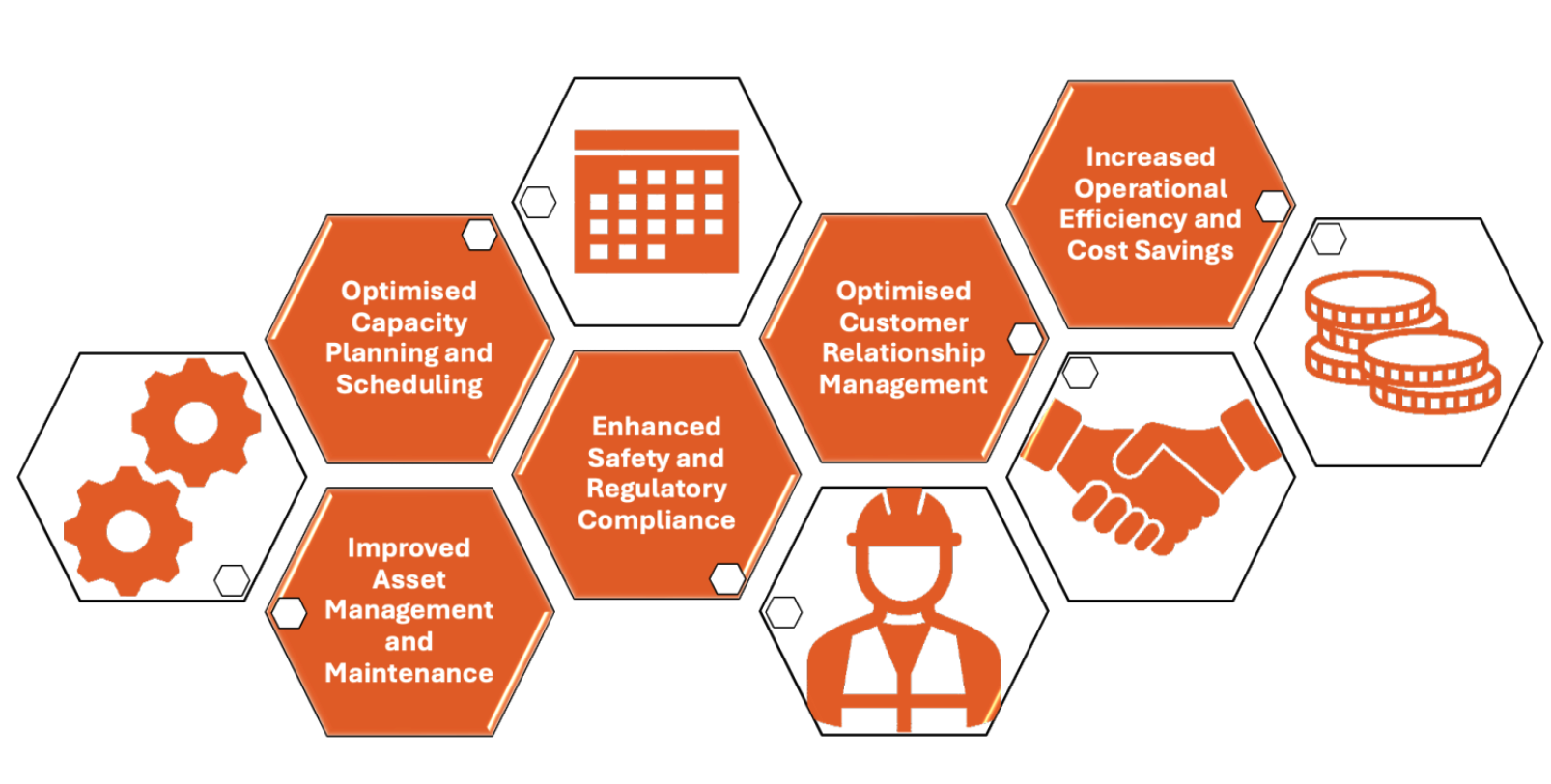
Optimised Capacity Planning and Scheduling
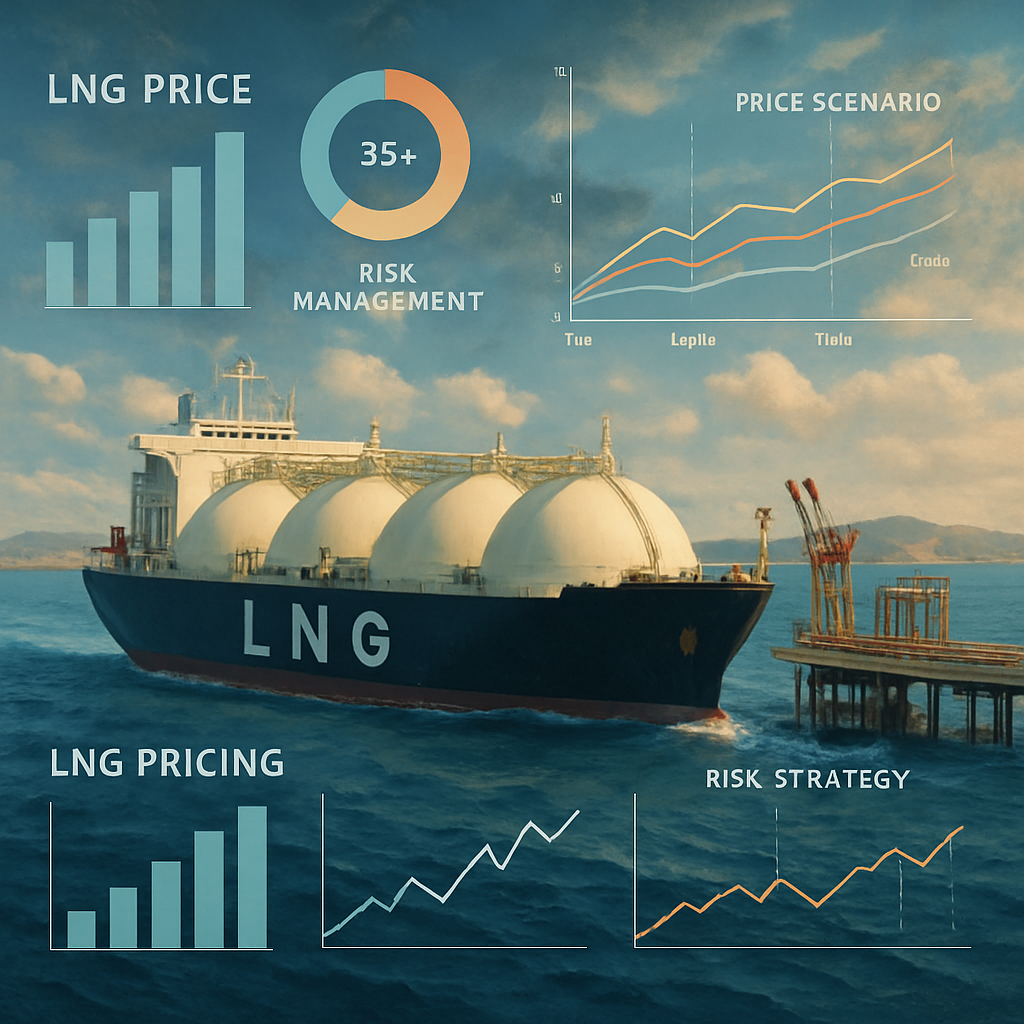
Gas transmission operators face the ongoing challenge of managing intricate networks of pipelines, compressor stations, and storage facilities to meet fluctuating demand patterns effectively. Utilising advanced technology platforms enables operators to perform precise capacity planning and scheduling. By leveraging historical data, market forecasts, and operational constraints, these platforms facilitate the optimisation of asset utilisation, cost-effective transportation, and reliable service delivery. Real-time monitoring and predictive analytics capabilities further enhance decision-making, allowing operators to respond promptly to changes in demand, supply, and market conditions.
Improved Asset Management and Maintenance
Maintaining the integrity and reliability of infrastructure assets is paramount for gas transmission operators to ensure uninterrupted service delivery. Technology-driven asset management systems provide operators with comprehensive visibility into their asset portfolios, including pipelines, valves, and compressor stations. By integrating data from sensors, SCADA systems, and maintenance records, these platforms enable predictive maintenance strategies, identifying potential issues before they escalate. This proactive approach minimises unplanned downtime, extends asset lifespan, and enhances operational efficiency, ultimately reducing operational costs and mitigating risks to safety and regulatory compliance.
Enhanced Safety and Regulatory Compliance
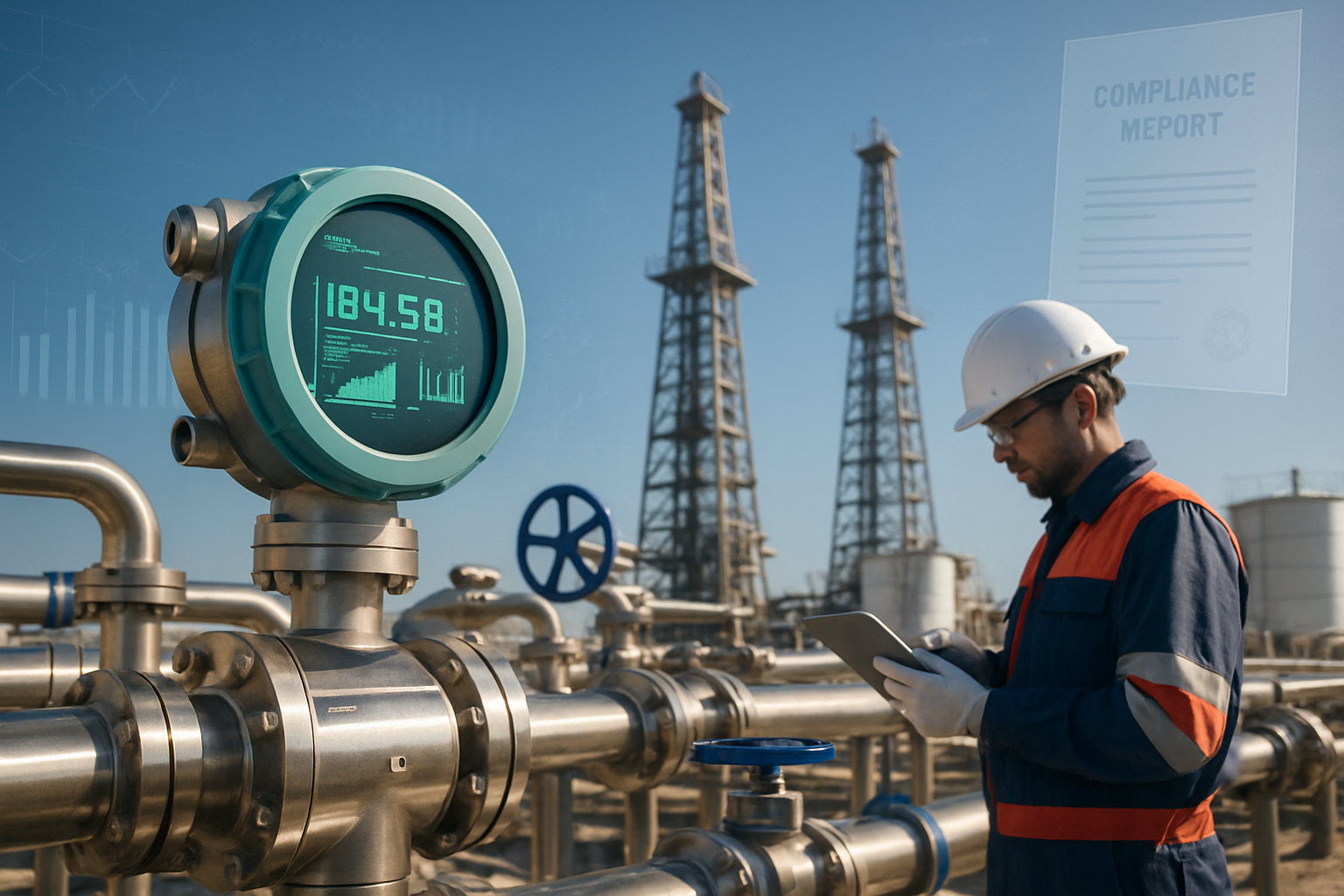
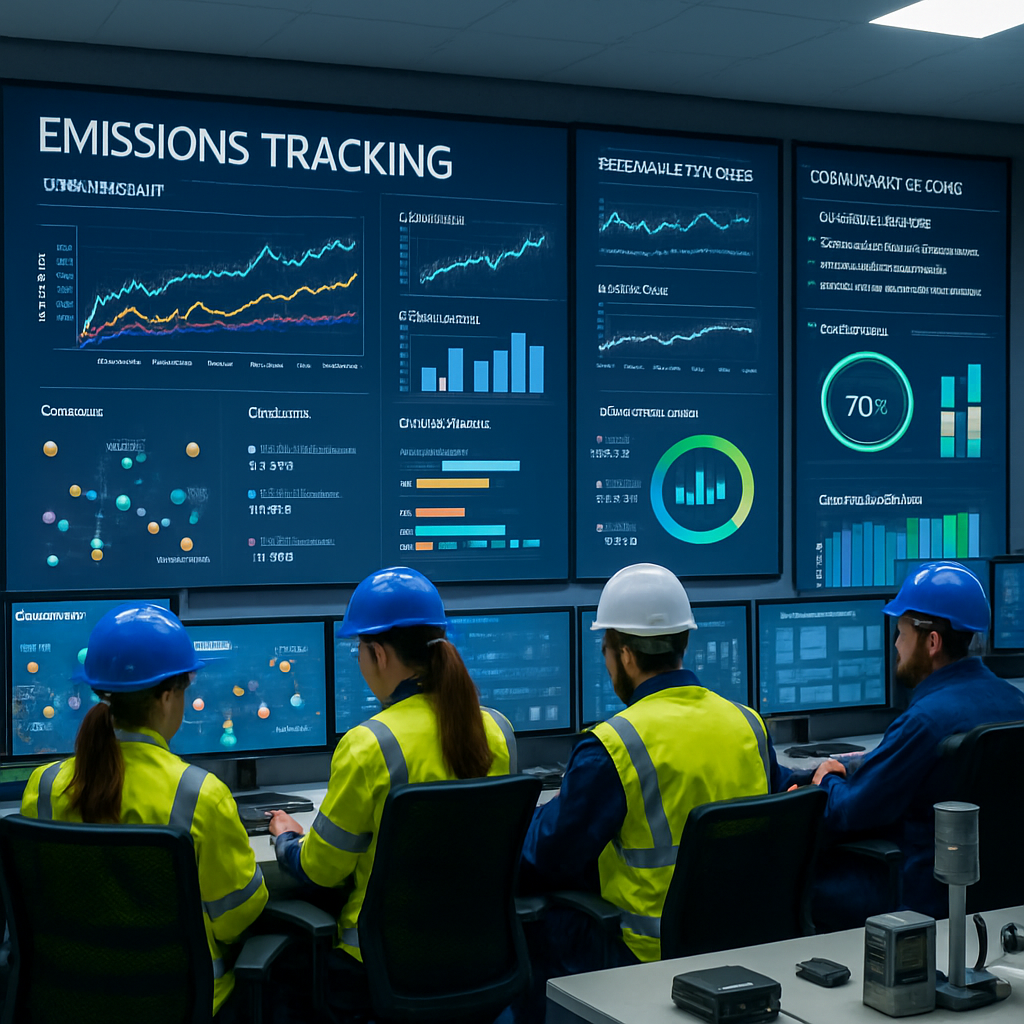
Safety and regulatory compliance are paramount considerations in the gas transmission industry, necessitating adherence to stringent standards and regulations. Technology plays a pivotal role in ensuring compliance with safety protocols, environmental regulations, and industry standards. Advanced monitoring systems, including leak detection sensors and remote surveillance cameras, provide real-time insights into asset performance and environmental conditions. Integrated compliance management platforms streamline regulatory reporting, audit trails, and documentation, facilitating transparency and accountability across the organisation. By leveraging technology to automate compliance processes and proactively identify potential risks, operators can maintain a culture of safety and regulatory excellence while avoiding costly penalties and reputational damage.
Optimised Customer Relationship Management
In an increasingly competitive market, providing superior customer service is essential for gas transmission operators to retain existing customers and attract new ones. Technology-driven customer relationship management (CRM) systems empower operators to manage customer interactions, contracts, and service requests more effectively. By centralising customer data and communication channels, these platforms enable operators to personalise services, anticipate customer needs, and resolve issues promptly. Advanced analytics capabilities provide insights into customer behaviour, preferences, and satisfaction levels, enabling operators to tailor their offerings and marketing strategies accordingly. By fostering strong customer relationships through technology-enabled CRM solutions, operators can differentiate themselves in the market and drive long-term loyalty and profitability.
Increased Operational Efficiency and Cost Savings
At its core, technology in gas transmission services is about driving operational efficiency and cost savings throughout the value chain. From automation and optimisation of operational processes to data-driven decision-making and predictive analytics, technology solutions enable operators to do more with less. By streamlining workflows, reducing manual interventions, and optimising resource allocation, operators can minimise operational expenses, maximise asset utilisation, and improve overall profitability. Furthermore, by leveraging technology to identify and capitalise on revenue opportunities, such as capacity optimisation, asset monetisation, and market arbitrage, operators can enhance their competitive position and achieve sustainable growth in a dynamic market environment.
Conclusion
In conclusion, technology plays a transformative role in supporting the commercial and operational aspects of gas transmission services, enabling operators to optimise processes, enhance decision-making, and drive efficiency across the value chain. From capacity planning and asset management to safety compliance and customer relationship management, technology solutions empower operators to overcome challenges, capitalise on opportunities, and achieve sustainable growth in a rapidly evolving industry landscape. As the industry continues to embrace digitalisation and innovation, organisations that leverage technology effectively will be well-positioned to thrive in the competitive market and deliver value to stakeholders while ensuring the reliable and efficient transportation of natural gas to meet the world's energy needs.